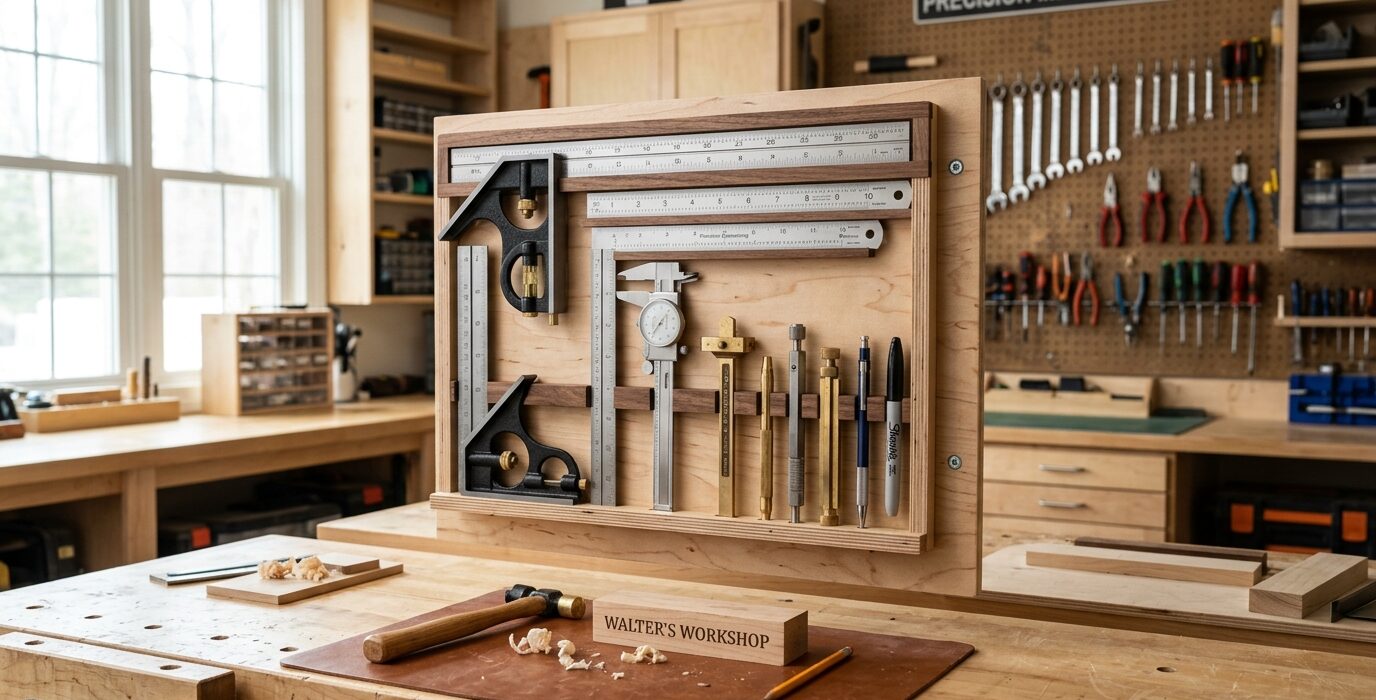
A Combination Square and Measuring Tools Holder
Combination squares and other precision measuring tools – engineer’s squares, adjustable bevel gauges, steel rules, and protractors – are expensive, precision instruments that deserve better than a drawer full of metal objects knocking against each other. A dedicated holder protects their accuracy and makes them immediately accessible at the bench where layout work happens.
Why Precision Matters in Storage
A combination square has several precision components: the rule must be straight, the head’s reference faces must be square to each other, and the thumbscrew must lock the rule without deflecting it. Dropping a combination square on a concrete floor can knock the head out of square. Storing it in a metal drawer where other tools bang against the rule can introduce bends. The value of a quality combination square – and there’s real cost difference between a $15 and a $150 square – justifies proper storage.
Materials
- 3/4-inch hardwood or plywood for the holder panel
- Foam or felt lining for the tool resting surfaces
- Wooden pegs or rods for hanging tools
- Mounting hardware for wall installation
Step 1 – Build a Hanging Slot for the Combination Square
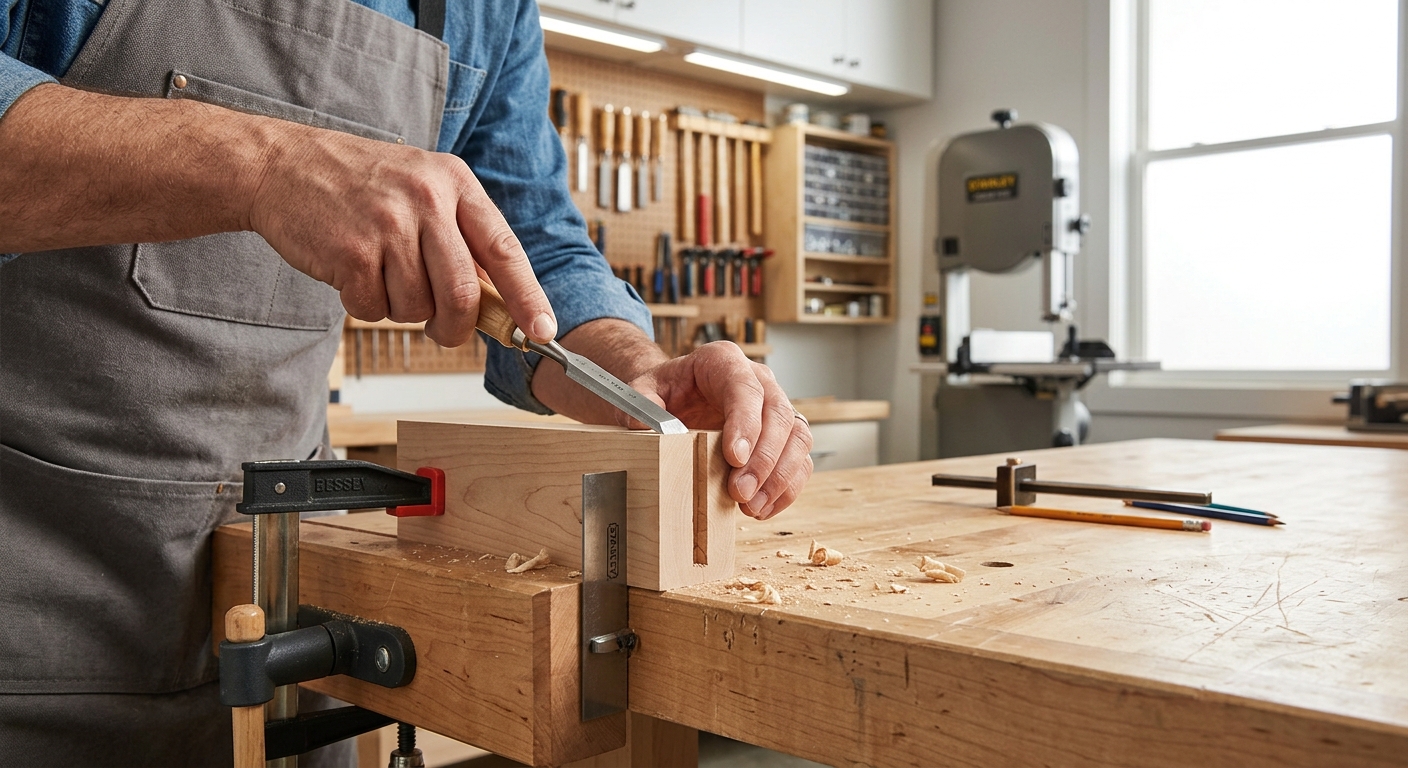
The combination square hangs by its rule in a vertical slot. The slot is a hardwood block with a slot slightly wider than the rule blade, positioned at the right height to keep the head clear of the wall. The rule drops into the slot from above and hangs by gravity, with the head hanging below. Felt lining the slot sides prevents the rule from contacting hard surfaces.
Step 2 – Add Individual Slots for Rules and Rulers
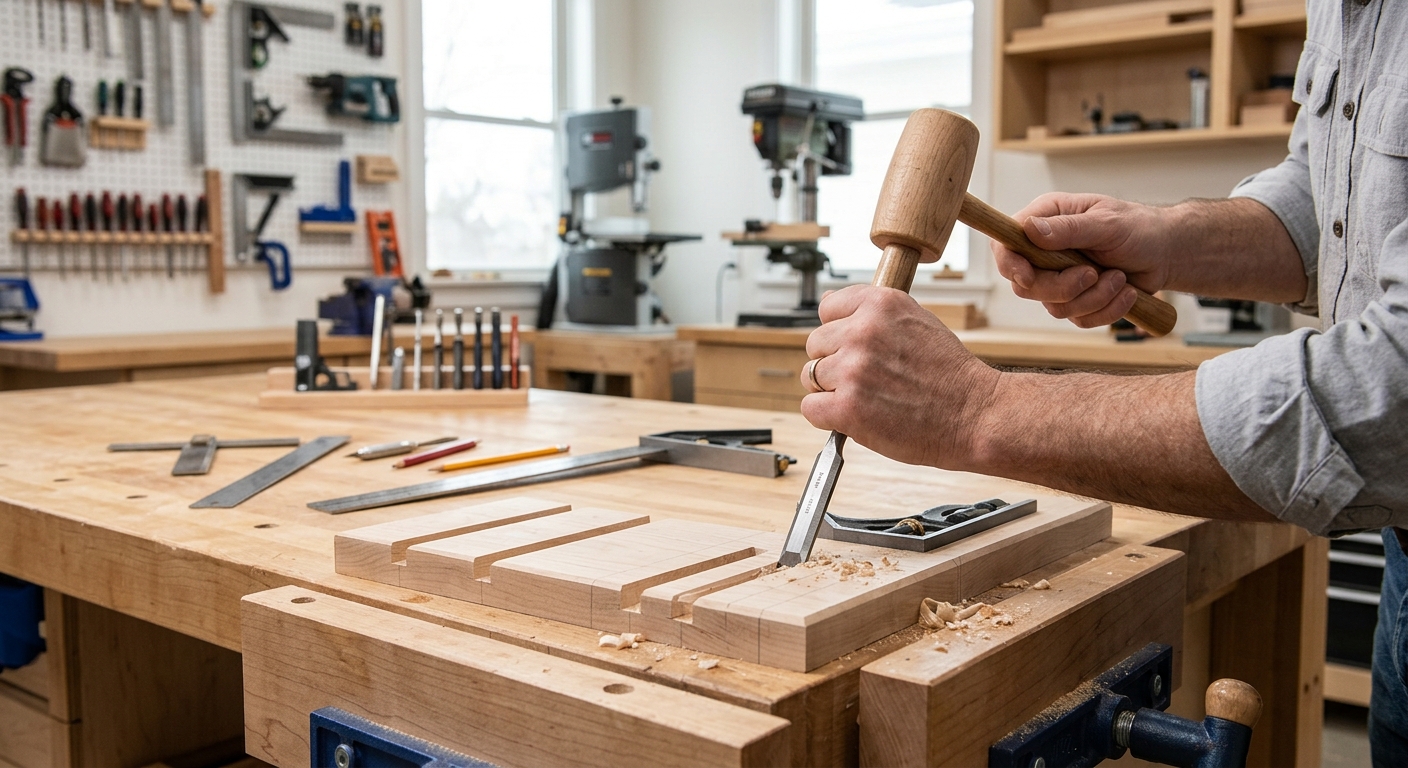
Steel rules – 6-inch, 12-inch, 24-inch – can hang on pairs of small hooks or in individual slots similar to the square. Mount them in size order, clearly labeled. Rules stored in a divided slot don’t contact each other and retain their straightness indefinitely.
Step 3 – Add a Holder for the Sliding Bevel
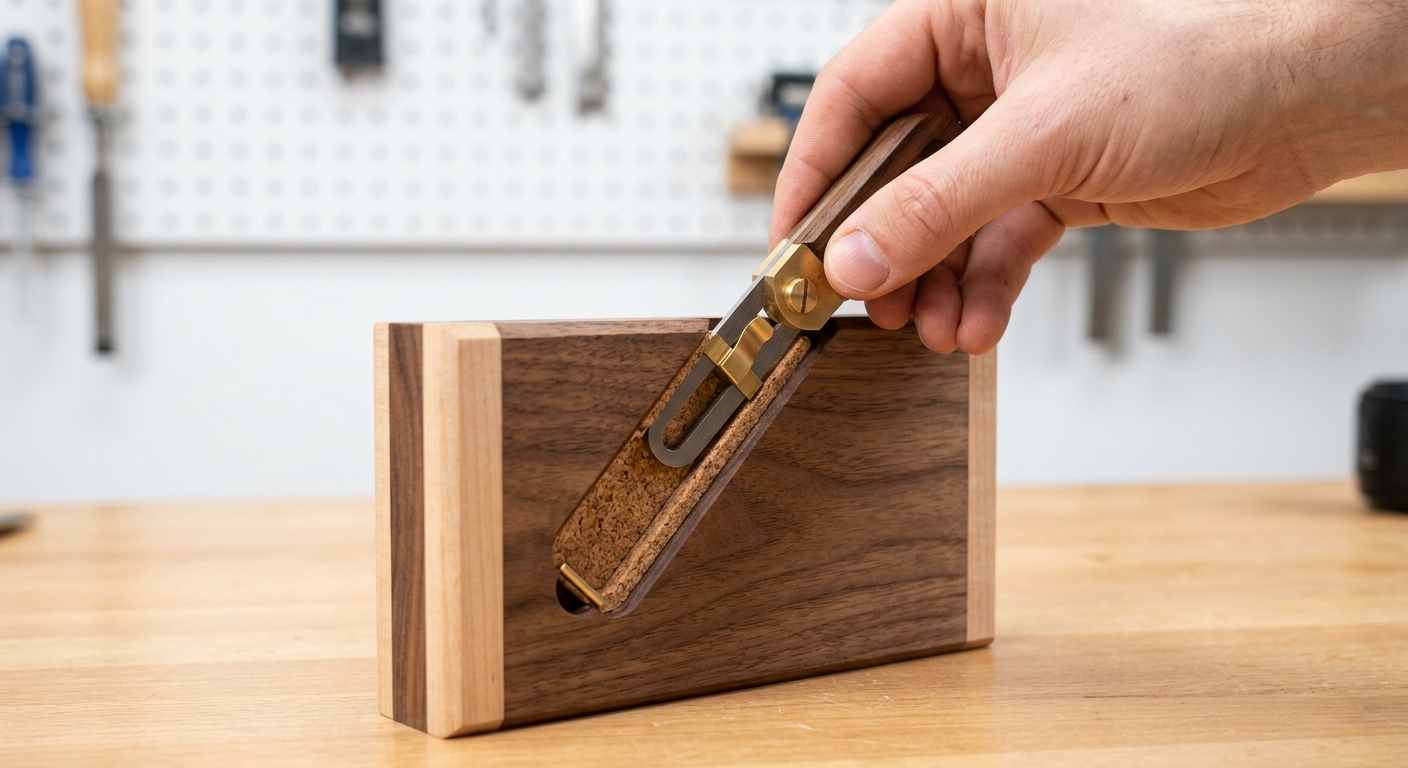
A sliding bevel gauge is most usefully stored with its angle set to the most commonly used bevel for your current project, or reset to 45 degrees for general availability. A peg through the handle hole or a notch cut for the handle works for wall mounting. Store the bevel with the rule locked in position – an unlocked bevel can reset to an incorrect angle if bumped.
Step 4 – Include a Protractor Holder
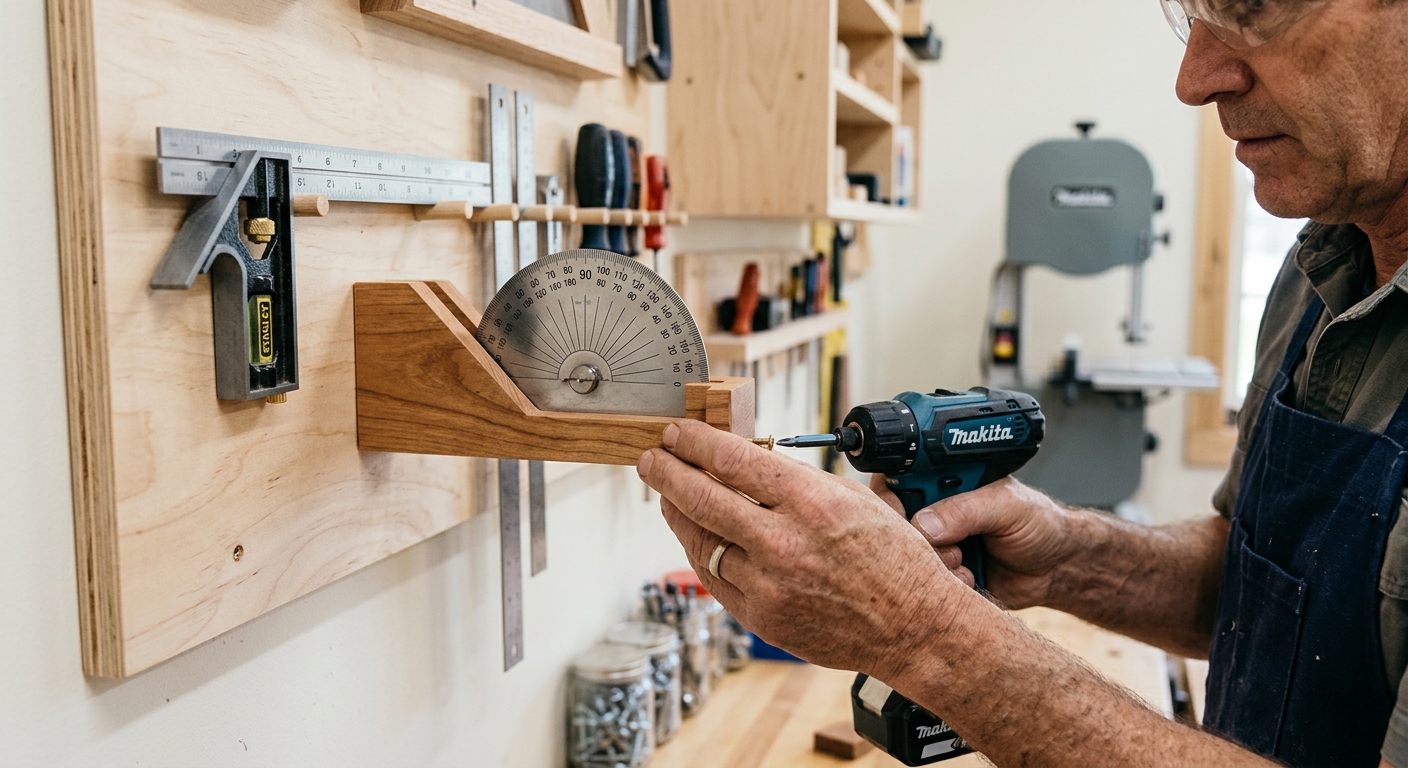
A machinist’s protractor or a digital angle gauge stores flat on a small shelf or in a slot. Delicate instruments should not contact the edges of raw plywood – line the holder with felt to prevent surface scratching.
FAQ
How do I check my combination square’s accuracy? Use the reference edge method: set the rule to a specific position, mark a line, flip the square 180 degrees end-for-end against the same reference, and mark another line at the same rule setting. If the lines coincide, the square is accurate to the test. Any gap between the lines equals twice the square’s error.
Should I store all measuring tools in the same holder? Grouping them together is useful since you typically use multiple measuring tools during a layout session. All measuring tools in one holder means one reach location covers layout, marking, and checking.